
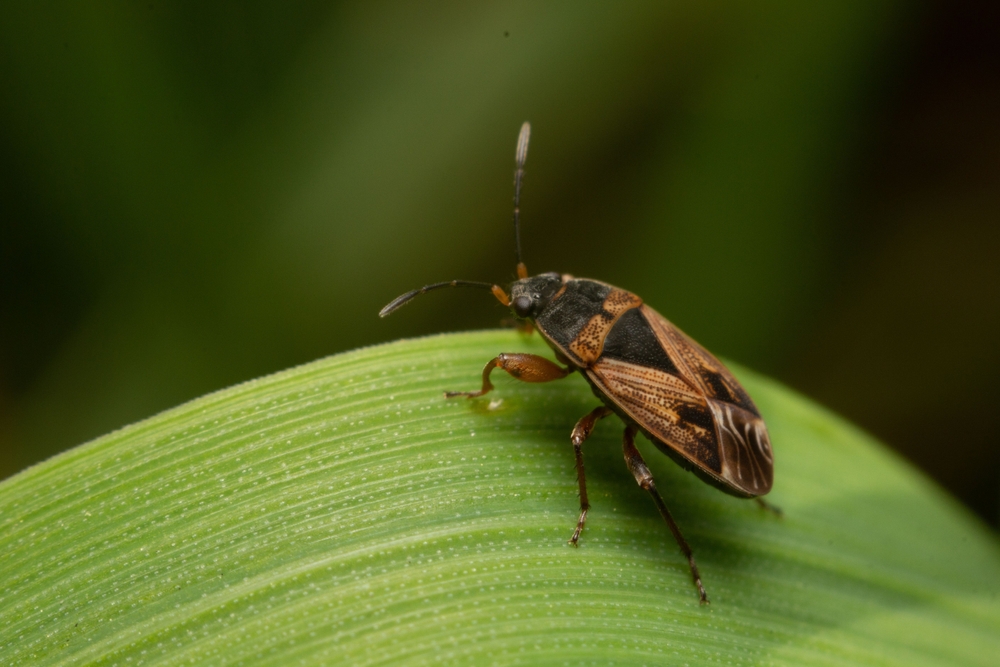
By August, insect activity around Maryland homes is hard to miss. Ants reach kitchen counters, mosquitoes gather in shaded yards, yellowjackets patrol decks, and unfamiliar crawlers appear in basements. Yet not every sighting calls for the same response.
The bugs that matter most can sting, bite, affect indoor air quality, reproduce inside, or point to moisture and structural problems. A yellowjacket nest beside a doorway deserves prompt attention. One camel cricket in a damp basement usually does not.
Which August Bugs Deserve Attention?
The seriousness of a pest problem depends on more than the insect’s appearance. Consider whether the pest can harm people or pets, reproduce indoors, damage materials, or indicate a sanitation or moisture problem. Repeated sightings, bites, droppings, egg cases, wood debris, or steady traffic into one opening are more significant than a single bug found near a door.
| Pest | What It May Signal | Priority |
| Yellowjackets | A large, defensive colony near people | High |
| Mosquitoes | Standing water and ongoing bite exposure | High |
| Cockroaches | Indoor breeding, allergens, and sanitation concerns | High |
| Carpenter ants | Damp or damaged wood with possible nesting | Moderate to high |
| Fleas | An infestation involving pets and resting areas | Moderate |
| Flies and ordinary ants | Food, waste, moisture, or entry gaps | Low to moderate |
| Spiders, centipedes, and crickets | Incidental entry, humidity, or insect prey | Usually low |
Why August Brings Bugs Closer to Maryland Homes
August combines mature insect populations with easy access to food, water, and shelter. Outdoor meals leave food residue within reach, containers and clogged gutters hold rainwater, and frequently opened doors let insects indoors. Some colonies have also had most of the season to grow.
These conditions do not make every insect dangerous. They simply increase the likelihood that homeowners will notice pest activity. The location, frequency, and signs surrounding each sighting determine whether the problem needs immediate attention.
The Bugs That Actually Matter
Some common bugs in Maryland homes deserve prompt attention because they can sting, bite, reproduce indoors, or damage building materials. The following pests should be evaluated based on where they are active, how often they appear, and whether there are signs of an established nest or infestation.
Yellowjackets Near Doors, Decks, and Lawns
Yellowjackets are among the most important Maryland summer pests to recognize in August. Colonies grow through the warm season and are usually largest in late summer or early fall. The University of Maryland’s social wasp guidance notes that large yellowjacket nests can contain thousands of workers. Workers may also become more easily agitated as the colony’s seasonal organization begins to break down.
A yellowjacket visiting flowers is not proof of a nest. Watch for workers repeatedly entering the same ground hole, siding gap, wall opening, shed, roofline, or space beneath steps. A nest beside an entrance, play area, deck, walkway, or lawn creates a greater sting risk than one in a remote corner of the property.
Do not hit, burn, flood, or casually seal an active entrance. Disturbing the colony can trigger defensive behavior, while sealing the opening may drive wasps toward another exit inside or outside the home.
Mosquitoes Around the Yard
A mosquito that slips through an open door is usually an entry issue. Persistent biting outdoors suggests that nearby breeding conditions need attention.
Mosquitoes develop in standing water, including buckets, toys, plant saucers, clogged gutters, birdbaths, and other containers. Emptying, cleaning, covering, or correcting these sources helps reduce the number of adults emerging close to the home.
The concern is not limited to itchy bites. Maryland’s finalized 2024 arbovirus surveillance report recorded 18 confirmed human West Nile virus cases and 253 West Nile-positive mosquito pools during the state’s July 1 through October 31 surveillance season. These figures do not mean every mosquito is infected, but they show why standing-water reduction and bite prevention matter.
Cockroaches That Keep Appearing Indoors
Cockroaches deserve more concern than most occasional visitors because some species can reproduce and remain hidden indoors. One large roach near a basement drain may have wandered in. Repeated sightings of smaller roaches in a kitchen, pantry, bathroom, or appliance area suggest a more established problem.
Look for droppings, egg cases, shed skins, and activity around plumbing penetrations, cabinet voids, refrigerators, stoves, and damp storage areas. The U.S. Environmental Protection Agency’s guidance on biological contaminants identifies cockroaches as indoor biological contaminants that can cause allergic reactions and trigger asthma symptoms in some people.
Spraying the roach you can see does not address hidden insects, egg cases, food, moisture, or harborage. Effective control includes accurate identification, sanitation, leak repair, targeted treatment, and appropriate exclusion.
Carpenter Ants in Damp Wood
Most ants on a counter are nuisance foragers searching for food or water. Carpenter ants are different because they excavate galleries in wood for nesting. They do not eat wood, but continued tunneling can damage the material over time.
Concern is higher when large ants repeatedly appear near window frames, wall voids, roof leaks, plumbing problems, or damp structural wood. Coarse debris beneath a wooden area may also justify an inspection. Moisture-damaged material is especially attractive because it is easier for the ants to excavate.
Proper identification matters because not every large ant is a carpenter ant. A trail entering from outdoors may require a different response than activity originating inside a wall, window frame, or other structural area.
Fleas in Homes With Pets
Fleas can become established when pets or wildlife carry them onto the property. Adult fleas live on animals, while developing stages may be present in carpets, upholstery, pet bedding, cracks, and protected resting areas.
Clues include persistent scratching, bites around the ankles, and small jumping insects near bedding or furniture. Control must address both the animal and the indoor environment. Veterinary guidance, regular vacuuming, laundering pet bedding, and close attention to favorite resting areas should work together.
Treating only the pet can leave developing fleas inside the house. Treating only the home leaves the animal available as a host. A coordinated response is necessary to interrupt the infestation.
Bugs That Usually Point to a Fixable Condition
Other summer bugs are less likely to create an immediate health or structural threat, but they can reveal conditions that should be corrected. Flies and ordinary ants often lead homeowners to overlooked food residue, waste, moisture, or entry gaps. Addressing the source usually produces better results than treating visible insects alone.
House Flies, Fruit Flies, and Small Kitchen Flies
Recurring flies usually indicate an available breeding or feeding source. House flies may be associated with garbage, animal waste, or decaying organic material. Fruit flies often develop around fermenting produce, spills, recycling residue, and moist food debris.
Small flies gathering near a sink may require an inspection of drains and surrounding damp areas. Remove deteriorating produce, clean recycling containers, secure trash, wipe sticky residue, and focus on the location where adults are most concentrated. Killing visible flies without removing the source provides only temporary relief.
Ordinary Household Ants
A few ants near a pantry or sink usually point to food, water, and a usable entry route. Following the trail may reveal a gap near a window, pipe, baseboard, or exterior wall.
Clean crumbs and spills, store food in sealed containers, rinse pet bowls, and repair leaks. Spraying visible workers may interrupt the trail briefly, but it often leaves the colony and the conditions attracting it untouched.
Bugs That Usually Matter Less Than They Look
Some household pests cause concern because of their size, speed, or unfamiliar appearance, even though they pose little risk. Spiders, house centipedes, camel crickets, and silverfish are often associated with humidity, clutter, entry gaps, or the presence of other insects. Their appearance can still be useful because it directs attention to conditions that make the home more inviting to pests.
Spiders and House Centipedes
Most spiders found in Maryland homes are predators that feed on other insects. House centipedes also hunt small household pests. One spider or centipede in a basement, garage, or utility area is rarely a reason for broad indoor pesticide treatment.
Frequent sightings can still point to high humidity, entry gaps, or abundant insect prey. Dehumidifying damp rooms, sealing cracks, reducing clutter, and correcting the underlying pest activity are more useful than treating each individual predator.
Camel Crickets and Silverfish
Camel crickets commonly enter basements, crawl spaces, garages, and other cool, humid areas. Silverfish also favor moisture and protected spaces. Increasing numbers should not be ignored, but these pests generally indicate an environmental condition rather than an immediate health threat.
Check drainage, plumbing, ventilation, stored cardboard, foundation gaps, and indoor humidity. Correcting moisture and access usually provides longer-lasting relief than repeatedly treating the insects you happen to see.
What Maryland Homeowners Should Do First
The most effective response begins with identification and observation, not a general-purpose spray. Note where the insects appear, when they are active, how often they return, and whether they are entering through a particular crack, drain, wall opening, or ground hole. Photos can preserve useful identifying details after the insect is gone.
Next, remove the resources supporting activity. Empty standing water, clean food residue, secure trash, rinse recycling, repair leaks, reduce basement humidity, trim vegetation away from the house, and replace damaged screens or door sweeps. Do not seal an opening until you know an active yellowjacket nest or another hidden colony is not using it.
Professional help is appropriate when yellowjackets are nesting near people, cockroaches keep returning, carpenter ants may be nesting in structural wood, fleas persist despite coordinated pet and home care, or the source of recurring activity cannot be found. Pest Services Company provides professional pest control for homes in Maryland, Washington, D.C., and Northern Virginia. To arrange an inspection or discuss persistent August pest activity, contact Pest Services Company.
August bugs are easier to manage when the response matches the risk. Focus first on stinging insects, biting pests, indoor breeding, and signs of moisture or structural damage. A single cricket or spider may require little more than exclusion, but recurring roaches, a busy yellowjacket entrance, or ants emerging from damp wood deserve a closer look.